

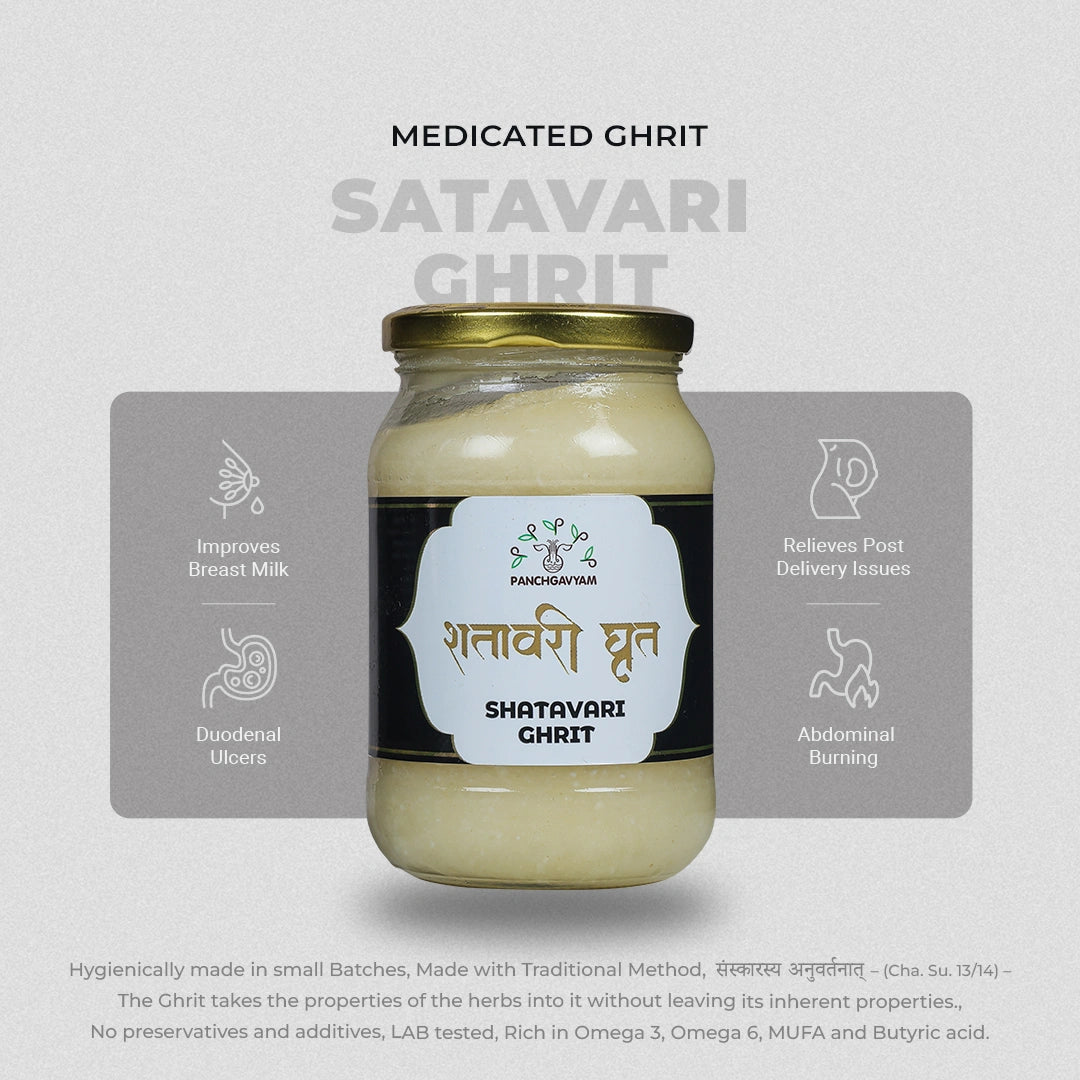


Shatavari Ghrit : Ayurvedic Medicine to Improve Breast Milk, Post Delivery Recovery, Hormonal Balance, Lactation Support and Female Reproductive Health | Shatavari Ghee
Satavari

100% Vegetarian

A2 Gir cow Ghee

Kwath and Kalk processed
Description
The month after delivery is the most physically demanding of a woman's life.
The body has just completed one of its most extraordinary acts. And the moment it is over, the demands do not stop. The baby needs milk. The body needs recovery. The hormones need to restabilise. Sleep is gone. Energy is depleted. And in most homes, the attention shifts entirely to the newborn.
Classical Ayurveda had a name for this period: Sutika Kala, the postpartum window. And it had a very clear position on it. This period required as much medical and nutritional attention as the pregnancy itself. The postpartum body was understood as depleted across multiple Dhatus, particularly Rasa, Rakta, and Shukra, the tissues that govern nourishment, blood, and reproductive vitality. Without specific intervention to rebuild these tissues, the consequences would manifest over months and years: hormonal instability, chronic fatigue, poor immunity, and reproductive health issues that most women attribute to ageing rather than to an inadequately supported postpartum recovery.
Shatavari Ghrit from Ayurvedic Sar Sangraha is the classical answer to Sutika Kala.
Shatavari has been called the Queen of Herbs in classical Ayurveda for one reason: no other herb has as wide and as specific an action on female hormonal and reproductive health. It is classified as Stanyavriddhikaram, increasing breast milk. Balyam, restoring strength. Rasayanam, deep tissue rejuvenation. Vrishya, reproductive tissue nourishing. And it is specifically praised in classical texts as Stri Roga Prashasyate, highly commended for women's health disorders.
Beyond Shatavari, this formulation adds Mrugdparni, Masparni, Ashwagandha, Vidarikand, and Yastimadhu, each addressing a specific dimension of postpartum recovery and female reproductive restoration. Ashwagandha rebuilds Ojas and addresses the cortisol elevation that suppresses milk production and hormonal recovery. Yastimadhu nourishes and soothes the depleted tissue. Vidarikand is a classical Stanya herb with specific action on lactation enhancement. Mrugdparni and Masparni from the classical Ashtagana groups provide Brimhana, nourishing and building action, on the depleted postpartum Dhatus.
All processed in A2 Gir Gau Ghee through the classical Kshir Pak method, ensuring every herb's active compounds are delivered into the deeper tissue layers where postpartum depletion actually occurs.
For new mothers experiencing low milk supply, postpartum weakness, hormonal instability, or slow recovery, and for women managing endometriosis, hormonal imbalance, or reproductive health concerns, Shatavari Ghrit addresses the tissue root of female health, not just the surface symptom.
No synthetic galactagogues. No artificial hormones. No preservatives. GMP certified. Exactly as Ayurvedic Sar Sangraha prescribed.
Reference
Full Ingredient List

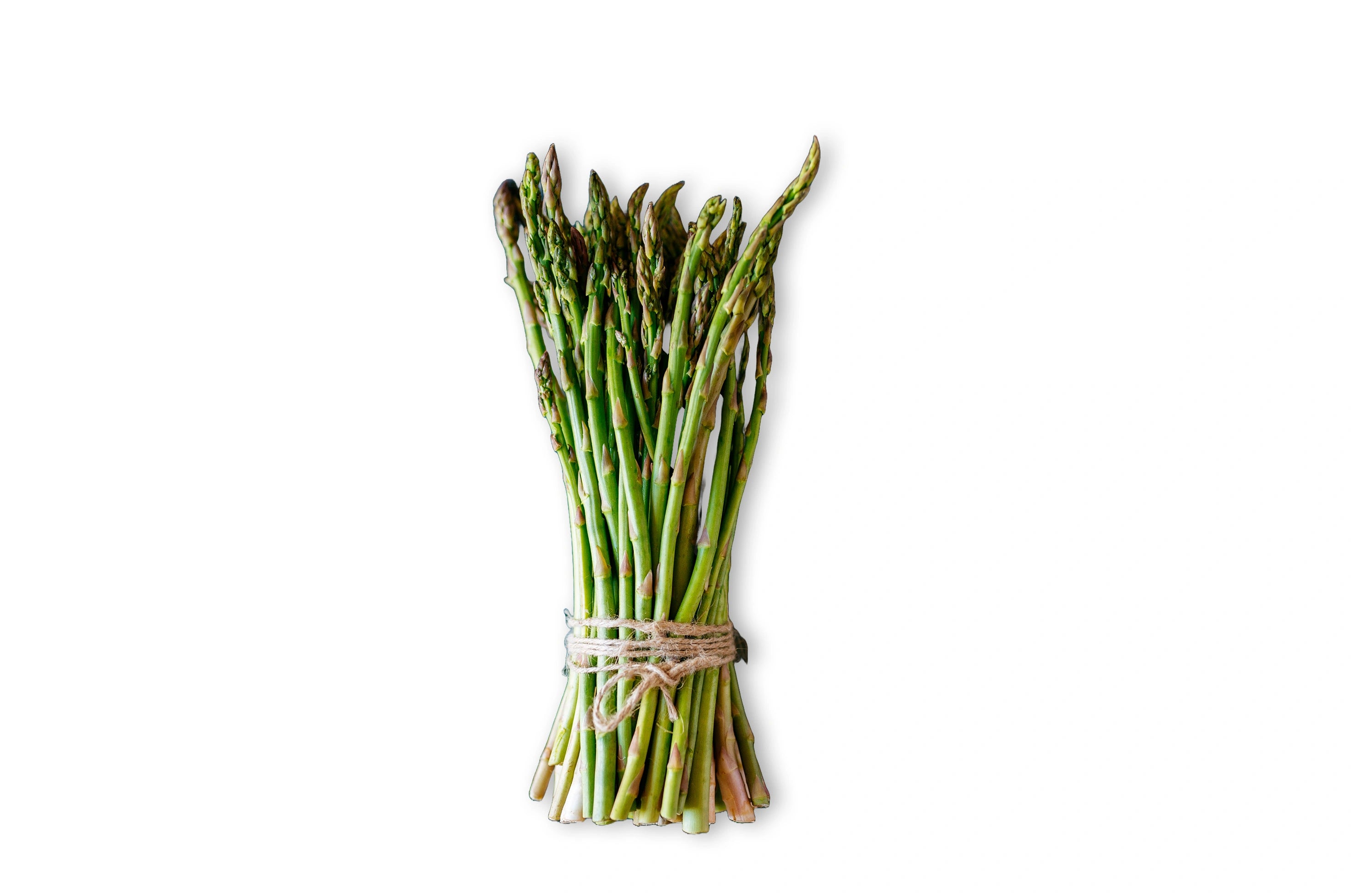
Shatavari
Empowering New Mothers, Naturally


Improves Breast Milk

Relieves Post Delivery Issues

Helps in Curing Gastric and Duodenal Ulcers

Abdominal Burning
Dose
5 to 10ml / One table spoon
Side Effects
NIL
Precautions
"Pregnant and lactating women should consult their doctor and Vaidya "
Course Duration
180 Days

100% Vegetarian

Ghan Processing

Cold Processing

U.S. FDA Approved
