This site has limited support for your browser. We recommend switching to Edge, Chrome, Safari, or Firefox.

Because real wellness is clean — Use PURIFY20 for 20% off today

Cart 0

Congratulations! Your order qualifies for free shipping You are Rs. 999.00 away from free shipping.
No more products available for purchase

Products
Pair with
Is this a gift?
Subtotal Free
Shipping, taxes, and discount codes are calculated at checkout

PainGavyam : Ayurvedic Pain Relief Tablets, Medicine for Pain Management, Joint Pain, Muscular Pain, Arthritis and Internal Swelling Support

Nagod & Kantkari

100% Vegetarian

Ghan Processed

Cold Processed


Rs. 495.00
Size120 Veg HPMC Capsules
Item is in stock Hurry, Only 0 Left! Item is out of stock Item is unavailable
Description

WHAT IS PAINGAVYAM ?

PainGavyam is a classical Ayurvedic formulation combining Parijat, Nagod, Kantkari, and Gambhari, all four classified as Vatahara herbs in Charaka Samhita, meaning they specifically address Vata-driven pain, inflammation, and musculoskeletal disorders. It works as a complete ayurveda pain management formulation for joint pain, muscular pain, arthritis, internal swelling, chronic pain, and headache, addressing the root Vata-Pitta imbalance that classical Ayurveda identifies as the primary driver of all inflammatory and degenerative pain conditions. Unlike synthetic pain relief tablets that block the COX enzyme pathway and cause gastrointestinal damage with long-term use, PainGavyam works through herbal anti-inflammatory compounds that reduce inflammatory signalling, nourish the affected tissue, and restore the doshic balance that prevents pain from recurring. Prepared through Shodhan purification and Ghan concentration, every herb delivers its complete active compound profile rather than an isolated percentage of one chemical marker.

Dosage

450 mg

Full Ingredient List

Bilwa, Agnimanth, Shyonak, Patla, Gambhari, Shalparni, Prishnaparni, Gokshur, Brihati, Kantkari, Parijat, Nagod, Guduchi, Ashwagandha, MILK

Key Benefits

• Pain Relief Tablets : Addresses joint pain, muscular pain, arthritis, internal swelling, and chronic body pain through a combination of four classical Vatahara herbs working synergistically on the inflammatory and neurological pathways that generate pain signals.

• Medicine for Pain Management : Unlike acute pain suppressants that work for hours and require escalating doses, PainGavyam works cumulatively through Rasayana-level tissue nourishment, reducing the underlying inflammation and Vata imbalance that perpetuates chronic pain.

• Joint Pain and Arthritis Support : Parijat (Nyctanthes arbor-tristis) is specifically indicated in classical Ayurveda for Sandhivata (joint disorders) and Amavata (rheumatoid arthritis-equivalent), addressing both the inflammatory and the degenerative dimensions of joint disease.

• Muscular Pain and Body Pain Relief : Nagod and Kantkari address Vata-driven muscular stiffness, soreness, and spasm, restoring normal tissue mobility and reducing the chronic muscle tension that accompanies inflammatory conditions.

• Internal Swelling Reduction : Gambhari is classified as Shothahara (anti-oedematous) in classical Ayurveda, specifically indicated for internal swelling and fluid accumulation in tissue, which is the underlying mechanism of both joint inflammation and visceral pain.

• Ayurveda Pain Management for Chronic Conditions : For people who have been managing chronic pain with NSAIDs or analgesics and are seeking a long-term alternative without gastrointestinal side effects, PainGavyam provides a sustained protocol that addresses the root cause rather than masking the symptom.

[{"variant_id":"45591523721433" , "metafield_value":""},{"variant_id":"45591523754201" , "metafield_value":""}]

PainGavyam : Ayurvedic Pain Relief Tablets, Medicine for Pain Management, Joint Pain, Muscular Pain, Arthritis and Internal Swelling Support

Rs. 495.00

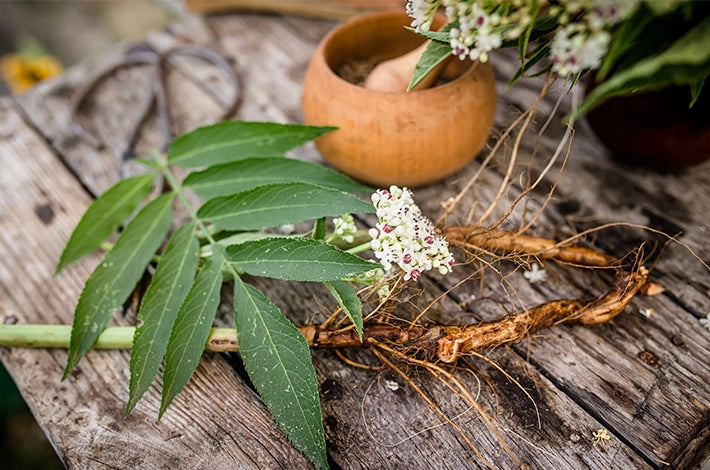
NAGOD

Nagod, a natural herb, is known for its effectiveness in managing body pain. Its anti-inflammatory properties help alleviate discomfort by reducing swelling and soothing sore muscles. Whether it's joint pain, muscle aches, or general body soreness, Nagod offers relief. Incorporating Nagod into your wellness routine can promote overall comfort and mobility, allowing you to stay active and enjoy life to the fullest. Say goodbye to discomfort and embrace the natural relief provided by Nagod for a happier, pain-free lifestyle.

Become Pain-Free

Main Product Image
Joints pain

Joints pain

Chronic pains

Chronic pains

Reduces Internal Swelling

Reduces Internal Swelling

Treats Headache

Treats Headache

Relieves Muscular pain

Relieves Muscular pain

Dose

1 or 2 tablets twice a day

Side Effects

NIL

Precautions

Dont use during pregnancy and lactation and others can use under observation only

Course Duration

90 Days

FAQ

How is PainGavyam different from standard pain relief tablets like Ibuprofen or Diclofenac?

Standard pain relief tablets work by inhibiting COX-1 and COX-2 enzymes, blocking prostaglandin synthesis and thereby suppressing pain signals. This mechanism is effective for acute pain but causes significant gastrointestinal damage, increased cardiovascular risk, and renal stress with long-term use. PainGavyam works through a different mechanism: Parijat and Nagod contain iridoid glycosides and flavonoids that modulate the inflammatory cascade at multiple points, Kantkari addresses the Vata-driven neural hypersensitivity that amplifies pain perception, and Gambhari reduces the tissue oedema that compresses nerves and joints. The result is pain reduction without enzyme blockade, making it suitable for sustained use without the organ damage risks associated with long-term NSAID use.

Which types of joint pain does it address? Is it effective for both osteoarthritis and rheumatoid arthritis?

Yes, PainGavyam addresses both primary forms of joint disease. Osteoarthritis, which classical Ayurveda classifies as Sandhivata, is primarily a Vata disorder involving degeneration of joint tissue and cartilage. Rheumatoid arthritis, classified as Amavata, involves an autoimmune inflammatory component alongside the Vata imbalance. Parijat is specifically referenced in Charaka Samhita for Amavata, addressing the immune-inflammatory component. Nagod and Gambhari address the Vata-driven joint degeneration and swelling common to both conditions. For people with confirmed rheumatoid arthritis on disease-modifying drugs, PainGavyam can be used as a supportive formulation under physician guidance.

How long before PainGavyam produces noticeable pain relief?

For acute muscular pain and body pain, most users notice meaningful reduction in pain intensity within 5 to 7 days of regular use. For joint pain and arthritis, where the underlying tissue inflammation is chronic and deep-seated, meaningful improvement typically appears between Week 2 and Week 4. For chronic pain that has persisted for years, the recommended protocol is a minimum of 90 days, which allows the Vatahara herbs to work through the deeper Dhatu nourishment cycle and address the underlying tissue degeneration rather than only the surface inflammation.

Can it be used as a medicine for pain management alongside physiotherapy or exercise?

Yes, and this is the recommended approach. Classical Ayurveda describes pain management as requiring both Aushadha (medicine) and Vyayama (appropriate physical activity) together. PainGavyam reduces the inflammatory barrier that makes movement painful, making physiotherapy more effective and less uncomfortable. For people recovering from injury, managing chronic back pain, or working through joint rehabilitation, PainGavyam can be taken concurrently with physiotherapy without any interaction concerns.

Does it help with headache and body pain alongside joint pain?

Yes. The Vatahara herbs in PainGavyam address Vata-driven pain across all tissue types, not only joints. Vata is the dosha responsible for pain signal transmission in classical Ayurveda, and its imbalance manifests as joint pain, muscular pain, headache, nerve pain, and generalised body pain simultaneously in many people with chronic inflammatory conditions. Kantkari specifically addresses the neural hypersensitivity component of pain, making PainGavyam effective for headache and body pain relief alongside its primary joint and muscular pain indications.

What are the classical references for the four herbs in PainGavyam?

Parijat (Nyctanthes arbor-tristis) : Referenced in Charaka Samhita and Ashtanga Hridayam for Sandhivata and Amavata. Classified as Vatahara and Shothahara. Nagod (Vitex negundo) : Referenced in Charaka Samhita, Sutra Sthana for Vatavyadhi (Vata disorders) and musculoskeletal pain. Classified as Vatakaphahara. Kantkari (Solanum xanthocarpum) : Referenced in Charaka Samhita for its Vatanulomana (Vata-restoring) and analgesic properties. One of the Dashamoola herbs. Gambhari (Gmelina arborea) : Referenced in Charaka Samhita and Sushruta Samhita for Shotha (swelling) and Vatavyadhi. Also one of the Dashamoola herbs. The fact that two of the four herbs in PainGavyam, Kantkari and Gambhari, belong to the Dashamoola group confirms the classical text's specific identification of this combination for pain and inflammatory disorders.

Can it reduce internal swelling from conditions other than arthritis?

Yes. Internal swelling, classified as Shotha in classical Ayurveda, has multiple causes including injury, infection, metabolic disorders, and venous insufficiency. Gambhari is the primary Shothahara herb in PainGavyam and is indicated across all categories of Shotha in classical texts. For inflammatory swelling associated with sports injuries, post-surgical recovery, or chronic oedema in the limbs, PainGavyam provides anti-inflammatory and anti-oedematous support. For swelling associated with diagnosed organ disease such as cardiac or renal oedema, physician consultation is required before use.

Is it safe to take alongside prescription pain medication?

PainGavyam contains no ingredients known to negatively interact with standard analgesics or NSAIDs. For people transitioning from long-term NSAID use to a natural pain management approach, the recommended protocol is to begin PainGavyam and allow 3 to 4 weeks for its effects to build before gradually reducing prescription pain medication under physician guidance. Do not abruptly stop prescription pain medication. The transition from synthetic to herbal pain management works best as a gradual, supervised process.

Does it work for muscular pain specifically, such as post-exercise soreness or fibromyalgia?

For post-exercise muscular soreness, Nagod's Vatakaphahara properties address the Vata-driven nerve sensitivity and Kapha-driven tissue heaviness that characterise delayed onset muscle soreness. Most users report faster recovery and reduced soreness duration with regular use. For fibromyalgia, which classical Ayurveda classifies as a Vata-predominant condition with systemic neurological hypersensitivity, the complete formulation addresses the central sensitisation mechanism through Kantkari and the peripheral inflammation through Parijat and Gambhari. Results for fibromyalgia typically require a longer protocol of 90 days minimum.

Is PainGavyam suitable for elderly people managing chronic joint and body pain?

Yes, and elderly people with chronic pain are one of the primary indications for this formulation. Classical Ayurveda describes old age as a Vata-predominant phase of life, which explains the natural increase in joint pain, stiffness, and muscular weakness with aging. PainGavyam's four Vatahara herbs directly address this age-related Vata increase. The formulation contains no synthetic compounds, no steroids, no NSAIDs, and no gastrointestinal irritants, making it significantly safer for long-term use in elderly people than standard pain relief tablets. No preservatives, GMP certified, 100% vegetarian HPMC capsules.

Veg-Icon

100% Vegetarian

Ghan-Process-Icon

Ghan Processing

Cold-Processing-icon

Cold Processing

FDA-Approved-Icon

U.S. FDA Approved

GMP-Certified-Icon

GMP Certified